
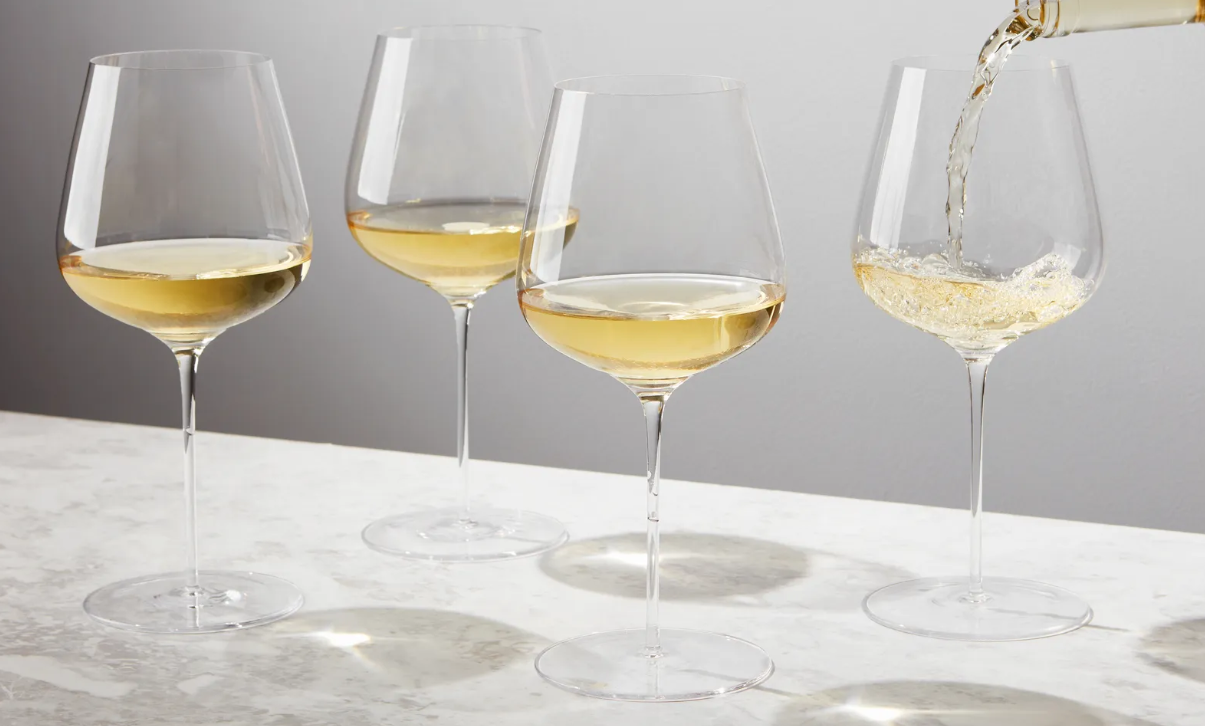
The best glass for Oregon Chardonnay can make a bigger difference than most people realize. For wines built on nuance rather than sheer power, glassware matters.
A wine does not change once it leaves the bottle, but your experience of it absolutely does. The shape of the bowl influences how aromas collect, how acidity is perceived, how texture moves across the palate, and even how long a finish lingers. When it comes to Oregon Chardonnay—particularly those grown in the red clay-loam Jory soils of the Dundee Hills—that difference can be significant.

If you’re pouring Oregon Chardonnay into a narrow white wine glass, you may be missing part of the experience.
In most cases—especially for barrel-aged styles—a broader, Burgundy-style bowl is the better choice. The wider shape allows oxygen to soften structure, expand aromatics, and highlight texture. For Chardonnays built on balance and integration rather than overt intensity, that added space creates harmony rather than compression.
Why Glass Shape Matters
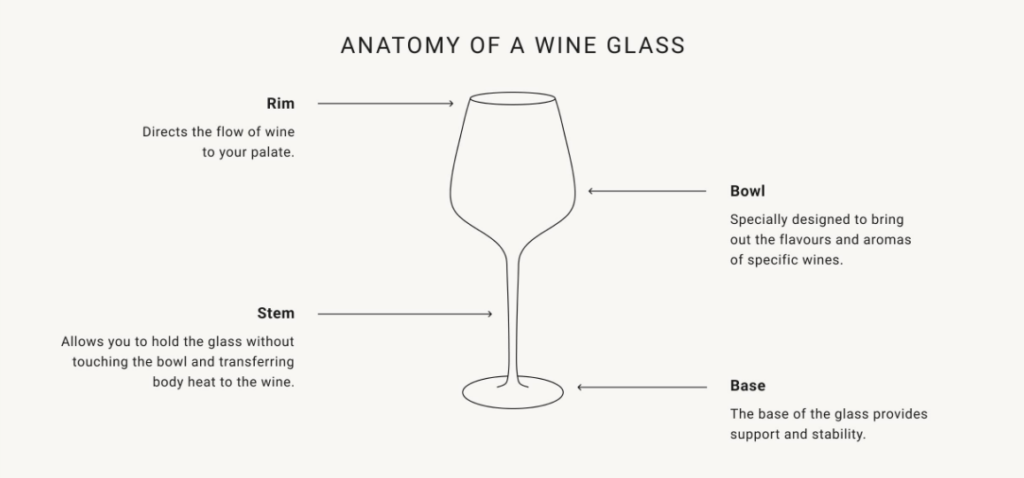
Every wine glass is designed with intention. The width of the bowl controls oxygen exposure, the rim diameter influences how wine flows across the palate, and the height affects how aromatics concentrate. A narrower bowl preserves freshness and sharpens acidity, while a wider bowl encourages aeration and enhances texture. Understanding this simple principle changes how you taste.
Why Chardonnay Needs the Right Glass
Chardonnay—particularly from the Dundee Hills—is built on structure and texture rather than aromatic intensity alone. At Knudsen Vineyards, our estate Chardonnay reflects the tension and minerality that come naturally from hillside plantings and well-drained Jory soils. Our Chardonnays are barrel aged exclusively, allowing for measured integration of oak, extended lees contact, and a layered expression that unfolds gradually in the glass. Instead of relying on weight, the wine leans into citrus blossom, pear, green apple, subtle spice, and lees-driven depth. Acidity is vibrant but intentional, and the finish carries quiet persistence.
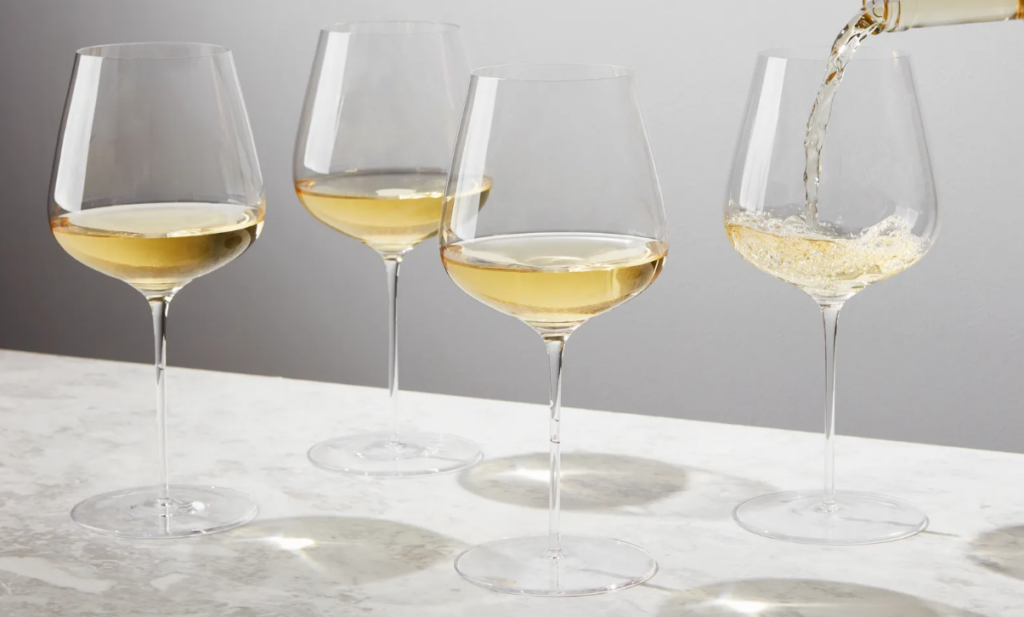
In a narrow white wine glass, that structure can feel sharper than intended. Acidity becomes dominant, texture tightens, and oak may seem slightly disconnected from fruit. In a broader, Burgundy-style bowl, the wine opens. Oxygen softens the edges, aromatics unfold more gradually, and the integration of fruit, oak, and acidity feels seamless. The result is balance rather than compression.
While stainless steel–fermented Chardonnay can perform beautifully in a slightly narrower glass that preserves lift and tension, barrel-aged styles—particularly those crafted with intention in the Dundee Hills—benefit from additional space that allows complexity to emerge naturally.
The White Wine Glass Spectrum
Not all white wine glasses are interchangeable. Each shape emphasizes a different structural element within the wine.
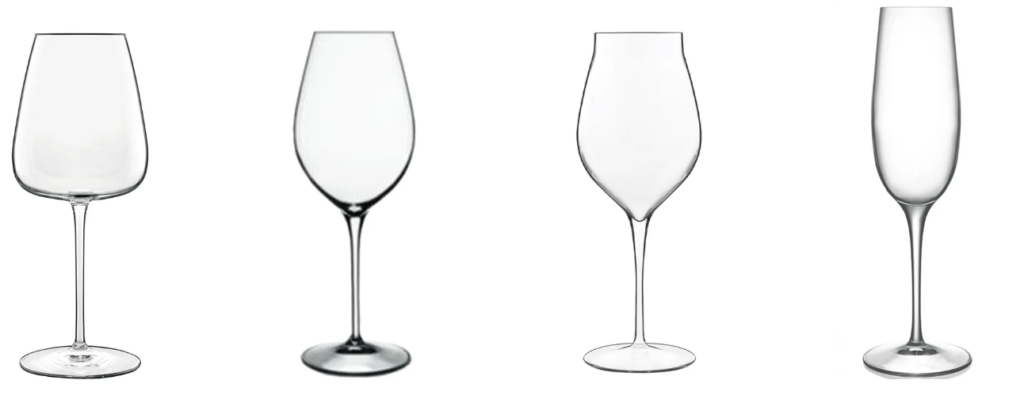
Sauvignon Blanc Glass
Typically tall with a narrow bowl and slightly tapered rim, this glass concentrates high-toned aromatics while directing the wine toward the center of the palate.
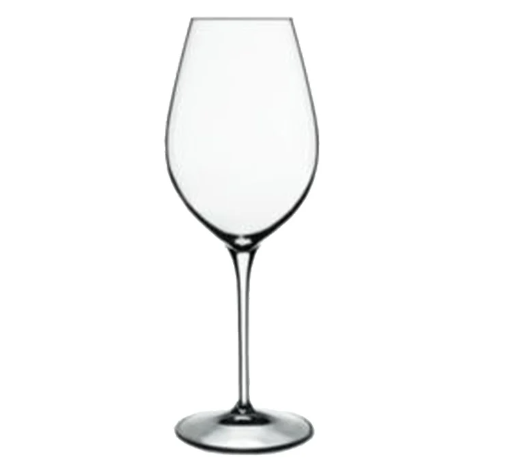
Sauvignon Blanc is naturally aromatic and high in acidity, often expressing citrus, passionfruit, grapefruit, and fresh herbs. The narrow shape preserves those volatile aromatics and sharpens the perception of freshness. By limiting oxygen exposure, the glass maintains lift and tension rather than allowing the wine to broaden.
Riesling Glass
Slim and elongated, Riesling glasses are designed for precision. Riesling can range from dry to off-dry, but it is almost always defined by vibrant acidity and delicate floral aromatics.
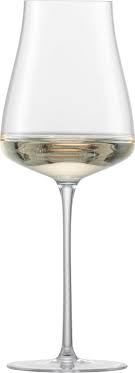
The narrow bowl preserves subtle notes like jasmine, lime blossom, and stone fruit while controlling sweetness perception. The smaller opening directs acidity cleanly across the palate, keeping the wine focused and structured rather than expansive.
Sparkling Wine Glass
Traditional flutes are designed to protect effervescence. Their narrow, vertical shape minimizes surface area, slowing the release of carbon dioxide and preserving bubbles.
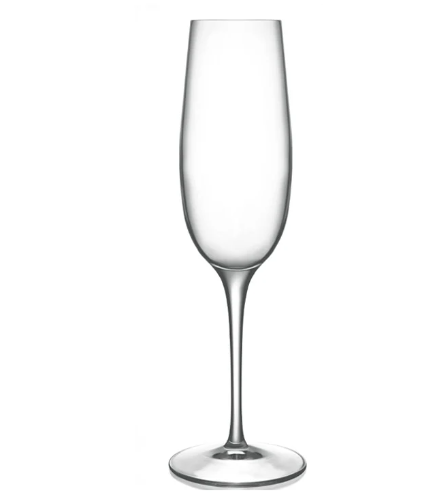
However, while flutes showcase mousse beautifully, they can limit aromatic development. That’s why many professionals now prefer tulip-shaped sparkling glasses, which widen slightly at the bowl before tapering at the rim. This allows aromatics to collect while still maintaining structure and lift.
Dessert Wine Glass
Dessert wines are richer in sugar, alcohol, and often viscosity. A smaller, more compact bowl concentrates aromatics while guiding the wine to specific parts of the palate to balance sweetness.
The reduced size also encourages smaller pours, which naturally align with the wine’s intensity. The design ensures that richness feels controlled rather than overwhelming.
Each of these glasses is built to amplify a dominant characteristic—aromatic intensity, razor-sharp acidity, persistent effervescence, or sweetness.
A Practical Way to Taste the Difference
To experience the impact firsthand, pour the same Chardonnay into two different glasses—one narrow and one wide—and taste them side by side. Notice how acidity shifts, how aromatics present themselves, and how texture changes. The wine has not changed; your perception has.
The Takeaway
Oregon Chardonnay is defined by precision and balance. It rewards attention in the vineyard, in the cellar, and in the glass. Choosing the proper vessel is not about formality—it is about allowing the wine to express its full character.
Sometimes the difference between a good pour and a memorable one is not the vintage.
It is the glass.