[Pruning the vines]
Winter in the Dundee Hills can feel still from a distance. The vines at Knudsen Vineyards stand bare against the red clay slopes, resting in dormancy after the intensity of harvest. But beneath that quiet landscape, one of the most important and technical vineyard practices of the year is underway: cane pruning.
Cane pruning is not simply seasonal maintenance. It is the structural design phase of the vine — a deliberate process that determines how each plant will grow, balance its energy, and express fruit in the coming vintage.
What Cane Pruning Does
Each year, a grapevine produces far more growth than it can sustainably support. By late fall, a single vine carries a dense network of woody canes from the previous season. If left untouched, the vine would push excessive foliage, overcrowd its canopy, and dilute the concentration of its fruit.
Cane pruning resets the system.
During winter dormancy — typically from January through early March in our vineyard — our team evaluates every vine individually. From the previous year’s growth, one or two of the strongest canes are selected to become the fruiting canes for the upcoming season. These are carefully laid along the trellis wire and tied into position. All other excess wood is removed.
Each retained cane contains a measured number of buds. When spring arrives, those buds will push new shoots, and those shoots will carry the year’s grape clusters. The number and placement of buds left behind directly influence yield, airflow, canopy density, and fruit quality. In practical terms, pruning establishes the blueprint for the entire growing season months before the first green growth appears.

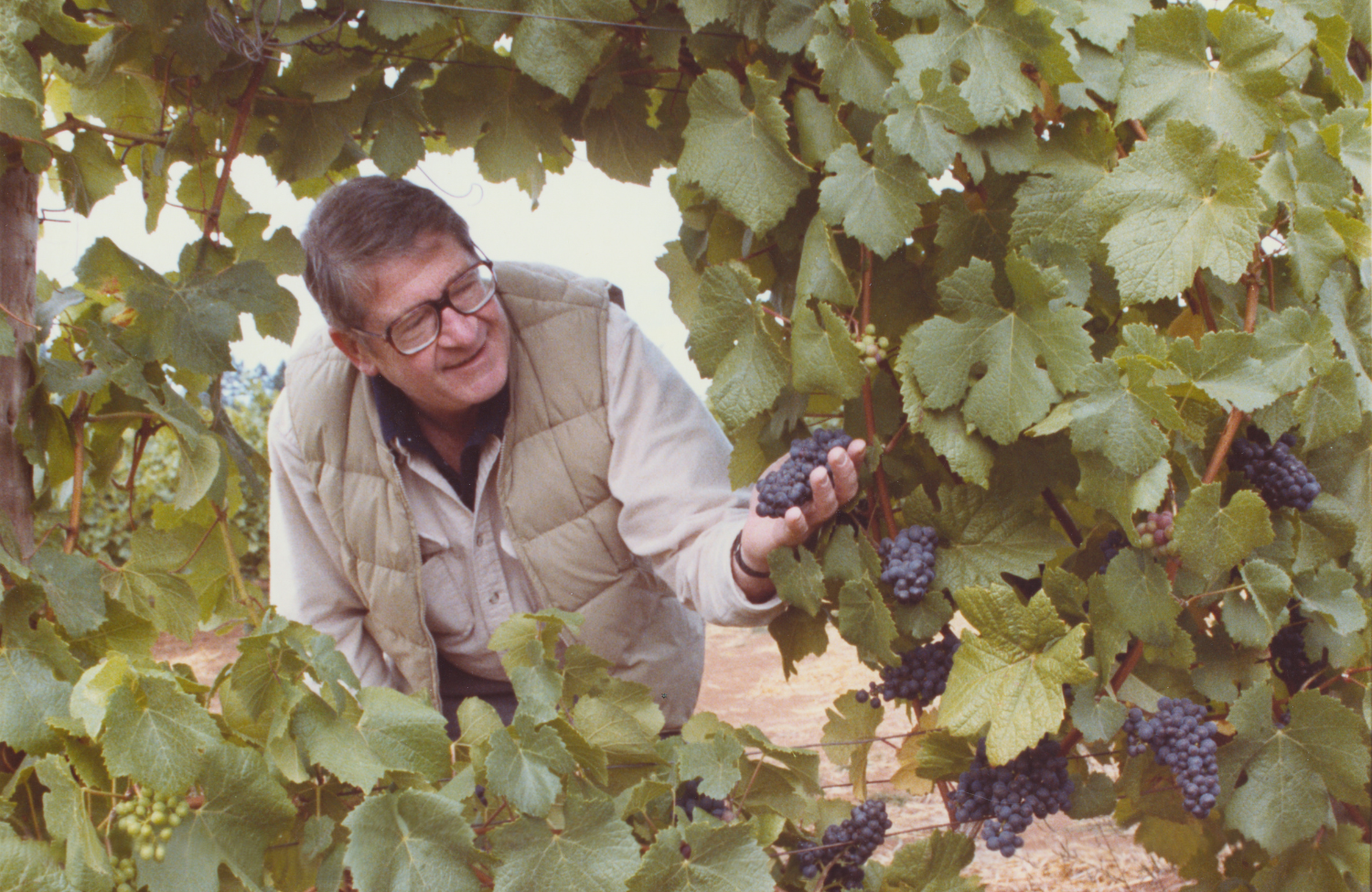
[Vineyard Manager Erica Miller (left) and Managing Partner Page Knudsen (right) during 2022 pruning]
Why Winter Timing Matters
Pruning takes place while the vine is dormant, when energy reserves are stored safely in the trunk and roots. Cold winter temperatures slow biological activity and reduce disease pressure, allowing pruning wounds to heal gradually before sap flow begins in spring.
This timing is critical. Cutting too early can expose vines to winter injury. Cutting too late can disrupt the vine once growth has started. The winter window provides the most stable environment for structural decisions that will guide the plant through bud break, flowering, and ripening.

Balancing the Vine
At its core, cane pruning is about balance. A vine naturally wants to grow vigorously. Without intervention, it prioritizes vegetative growth over fruit quality. Skilled pruning redirects energy so that growth remains proportional and intentional.
Cane-pruned grape varieties, are always more difficult and expensive to prune because great care must be taken in selecting wood. Each cane is pruned back to between 24 and 36 inches based on the vigor of the vine. The goal is to leave 6 to 10 well placed buds on each cane for fruit and wood production. More important than the number of canes is the quality of canes. Medium diameter, round, well-browned canes with buds about 3 to 3.5 inches are optimal. The buds should be plump and well exposed to sunlight. If the canes develop in the shade, the fruit quality will be compromised.

[cane pruned pinot noir]
The selected canes are positioned to optimize sunlight exposure and airflow — two essential factors for vine health and even ripening. An open canopy reduces moisture retention, lowers disease risk, and allows fruit to develop with greater consistency. Proper spacing also prevents overcrowding, ensuring that clusters receive adequate light and air as the season progresses.
Every cut influences how the vine interacts with its environment. The decisions made in winter echo through the chemistry, structure, and expression of the fruit harvested months later.
Sustainability in Practice
At Knudsen Vineyards, cane pruning is part of a broader philosophy of stewardship. Our estate is LIVE and Salmon Safe certified, and winter vineyard work reflects that commitment to long-term soil and ecosystem health.
Thoughtful pruning reduces unnecessary vine stress, supporting longevity and resilience. By maintaining balanced growth, we minimize the need for corrective intervention later in the season. Winter is also a time to reinforce biodiversity in the vineyard — managing cover crops, supporting bluebird habitat, and strengthening the ecological systems that naturally protect the vines.
Healthy vineyards are not maintained through force, but through alignment with natural cycles. Cane pruning is one of the most direct ways we guide that balance.
[pruned vines between rows]
Where the Vintage Begins
To visitors, winter may appear to be the vineyard’s quiet season. In reality, it is a period of careful authorship. Cane pruning is where the next vintage begins — not at harvest, but at the moment each vine is reset and prepared for growth.
By the time spring arrives and the first buds swell on the hillside, months of technical, hands-on work are already embedded in the vines. The shape of the canopy, the spacing of the clusters, and the concentration of the fruit have been guided long before the first leaves unfold.
What looks like stillness is preparation. And every winter cut becomes part of the story told in the glass.